Top-notch Control and Instrumentation Design Services for Industrial Clients
In today's fast-paced industrial landscape, the need for precise control and instrumentation design services has never been more critical. Industries are constantly evolving, and with that evolution comes the demand for innovative solutions that enhance efficiency, safety, and productivity. Whether you are in manufacturing, energy, or any other sector, having the right control systems in place can make all the difference.
This blog post will explore the importance of control and instrumentation design services, the key components involved, and how these services can benefit industrial clients. We will also highlight some examples of successful implementations to illustrate the impact of these services.
Understanding Control and Instrumentation Design
Control and instrumentation design refers to the process of creating systems that monitor and control industrial processes. This involves the use of various instruments and control systems to ensure that operations run smoothly and efficiently.
Key Components of Control and Instrumentation Design
Sensors: These devices detect changes in the environment, such as temperature, pressure, and flow. They provide real-time data that is crucial for making informed decisions.
Controllers: Controllers process the data received from sensors and make adjustments to the system as needed. They can be simple, like a thermostat, or complex, like a programmable logic controller (PLC).
Actuators: Actuators are responsible for executing the commands from the controllers. They can open or close valves, adjust motors, and perform other actions to maintain the desired state of the system.
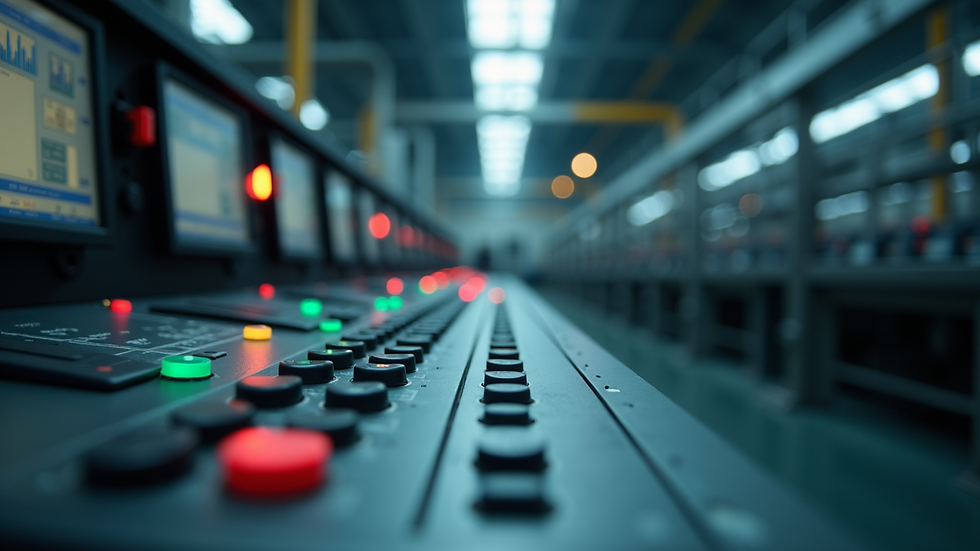
Human-Machine Interface (HMI): The HMI allows operators to interact with the control system. It provides visual feedback and enables users to monitor and control processes easily.
Communication Protocols: These protocols ensure that all components of the control system can communicate effectively. They are essential for integrating different devices and systems.
Each of these components plays a vital role in creating a robust control and instrumentation system.
The Importance of Control and Instrumentation Design Services
Investing in top-notch control and instrumentation design services can lead to numerous benefits for industrial clients. Here are some key reasons why these services are essential:
Enhanced Efficiency
A well-designed control system can significantly improve the efficiency of industrial processes. By automating tasks and providing real-time data, companies can reduce downtime and optimize resource usage.
For example, a manufacturing plant that implements a sophisticated control system can monitor production rates and adjust machinery settings automatically. This leads to less waste and higher output.
Improved Safety
Safety is a top priority in any industrial setting. Control and instrumentation design services help ensure that systems operate within safe parameters.
Consider a chemical processing plant. By using advanced sensors and control systems, the plant can detect hazardous conditions and take immediate action to prevent accidents. This not only protects employees but also minimizes the risk of costly shutdowns.
Cost Savings
While there may be an initial investment in control and instrumentation design services, the long-term savings can be substantial.
By improving efficiency and reducing waste, companies can lower operational costs. Additionally, predictive maintenance enabled by advanced control systems can prevent costly equipment failures, saving money in repairs and downtime.
Compliance with Regulations
Many industries are subject to strict regulations regarding safety and environmental impact. Control and instrumentation design services can help companies meet these requirements.
For instance, a power generation facility must adhere to emissions standards. A well-designed control system can monitor emissions in real-time and ensure compliance, avoiding potential fines and legal issues.
Successful Implementations of Control and Instrumentation Design
To illustrate the impact of control and instrumentation design services, let’s look at a few successful implementations across different industries.
Case Study 1: Oil and Gas Industry
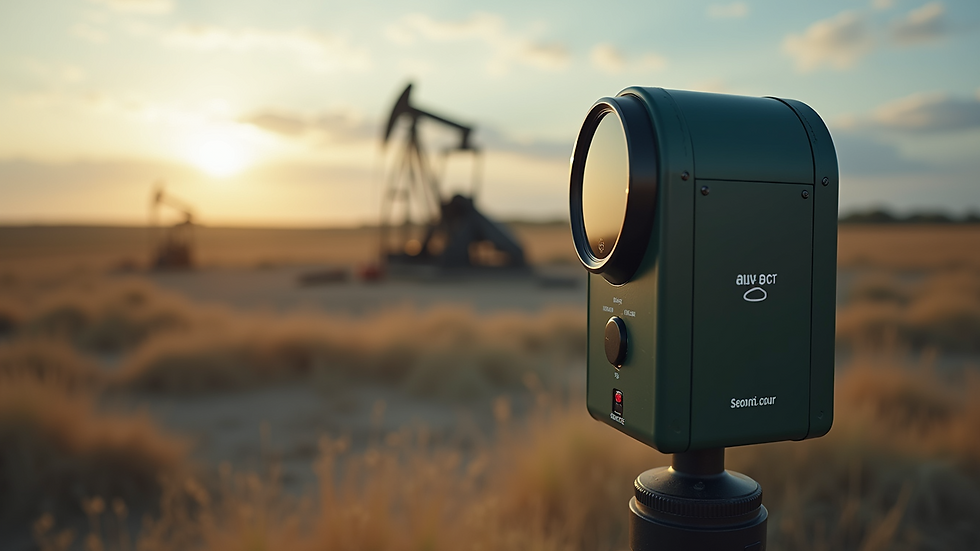
In the oil and gas sector, a major company faced challenges with monitoring pipeline pressure and flow rates. They implemented a state-of-the-art control system that included advanced sensors and real-time data analytics.
As a result, they were able to detect leaks and pressure drops quickly, reducing the risk of environmental damage and costly repairs. The new system also improved overall efficiency, leading to increased production rates.
Case Study 2: Food and Beverage Industry
A food processing plant struggled with maintaining consistent product quality. They turned to control and instrumentation design services to develop a system that monitored temperature and humidity levels throughout the production process.
With the new system in place, the plant achieved greater consistency in product quality, reduced waste, and improved customer satisfaction.
Case Study 3: Water Treatment Facilities
A municipal water treatment facility needed to enhance its monitoring capabilities to ensure safe drinking water. They implemented a comprehensive control system that included real-time monitoring of water quality parameters.
This system allowed operators to respond quickly to any changes in water quality, ensuring compliance with health regulations and providing safe water to the community.
Choosing the Right Control and Instrumentation Design Service Provider
Selecting the right service provider for control and instrumentation design is crucial for success. Here are some factors to consider when making your choice:
Experience and Expertise
Look for a provider with a proven track record in your industry. They should have experience with similar projects and a deep understanding of the specific challenges you face.
Customization
Every industrial operation is unique. A good service provider should offer customized solutions tailored to your specific needs and requirements.
Support and Maintenance
After implementation, ongoing support and maintenance are essential. Choose a provider that offers comprehensive support to ensure your systems continue to operate smoothly.
Technology and Innovation
The field of control and instrumentation is constantly evolving. Look for a provider that stays up-to-date with the latest technologies and innovations to ensure you receive the best solutions available.
The Future of Control and Instrumentation Design
As technology continues to advance, the future of control and instrumentation design looks promising. Here are some trends to watch:
Integration of IoT
The Internet of Things (IoT) is transforming how industries operate. By integrating IoT devices into control systems, companies can gain even more insights and improve decision-making.
Artificial Intelligence
AI is becoming increasingly important in control and instrumentation design. It can analyze vast amounts of data and make predictions, leading to more efficient operations and proactive maintenance.
Remote Monitoring
With the rise of remote work, remote monitoring solutions are gaining popularity. These systems allow operators to monitor and control processes from anywhere, increasing flexibility and responsiveness.
Final Thoughts
In conclusion, investing in top-notch control and instrumentation design services is essential for industrial clients looking to enhance efficiency, safety, and compliance. By understanding the key components and benefits of these services, companies can make informed decisions that lead to long-term success.
As industries continue to evolve, staying ahead of the curve with innovative control systems will be crucial. By choosing the right service provider and embracing new technologies, businesses can position themselves for a bright future in the industrial landscape.

Comments